Construction and Renovation Loans
Finance a Home, Repairs, or Major Renovations With One Loan Strategy
Construction and renovation loans help home buyers and homeowners finance properties that need work, upgrades, repairs, or new construction.
Instead of paying for improvements entirely out of pocket, the right loan may allow you to include eligible renovation, repair, or construction costs in your financing plan.
These loans can be especially helpful if you want to buy a fixer-upper, renovate your current home, build a custom home, add more living space, repair an older property, or turn a home with potential into one that better fits your needs.
- Buy and renovate: Finance a home purchase and eligible improvements through one mortgage strategy.
- Improve your current home: Use renovation financing to update, repair, or expand a home you already own.
- Unlock fixer-upper opportunities: Consider homes that may not work with standard financing because they need repairs or updates.

Trustindex verifies that the original source of the review is Google.
David kept me informed every step of the mortgage process. He worked hard to get me the best interest rate. He is efficient, personable, and I can't recommend him enough.Posted on Google
 Kim RiosOur family is very grateful we were referred to David. He knows his stuff and he walks you through every step of a major decision. The guy has great energy, determined and clearly passionate about what he does, he's someone you want in your corner.Posted on Google
 Shawn ChadhaDavid Wright is the right one for the job!Posted on Google
 Alyse DraperI highly recommend David Wright for all of your lending needs. He truly went above and beyond to get my buyers’ loan closed when their previous lender was not performing. David stepped in, took charge, and was instrumental in making sure the transaction stayed on track and we didn't lose the property. He provided exceptional customer service, was incredibly attentive, communicated clearly, and kept everyone informed every step of the way. From start to finish, David was able to close the loan in less than 15 days, a remarkable accomplishment. His knowledge, professionalism, and dedication to his clients are unmatched. David is now my go-to lender for clients looking to purchase a property and needing a trusted lending partner!Posted on Google
 Stephanie JezekI can’t recommend David enough! He went above and beyond to make sure I was able to secure a loan for my condo, especially since the original lender failed to get me to close. He worked incredibly fast, kept me informed every step of the way, and made a stressful process feel manageable. His dedication, responsiveness, and expertise made all the difference in getting us to closing. I’m so grateful for all of his hard work and would highly recommend him to anyone looking for a lender they can trust!Posted on Google
 Anna Marie LopezSpoke with David Wright, and can conclude he is absolutely excellent. He was able to answer so many questions so well. It's clear he knows his work and he knows how to talk to people not in the lending world. I appreciate how thorough and clear he was and how he brought up several items to my attention. I recommend him to anyone looking. Update: David was a life saver when my partner and I were buying our condo this year. I spoke with him at first to understand what my then-lender was saying, and he was incredibly helpful. After those lenders made a mess of the situation and jeopardized the deal, we asked David to be our new lender. He came in and rescued the whole situation. He was given a short deadline by the sellers and multiple complications, and he still tied it all together. He was an absolute star. And funny, very funny. We will be using him in any future purchases! Thank you, David!Posted on Google
 Rebecca TabertI want to take a moment to share my experience with my loan officer David Wright, from the very beginning, he has been incredibly helpful and responsive. No matter how many questions I’ve had, he has always taken the time to explain everything clearly and make sure I understood the process. What I appreciate most is his honesty. Even when the advice he gives isn’t exactly what i want to hear in the moment, I know it’s always in my best interest. That level of transparency and professionalism is hard to find. I truly recommend working with him if you’re looking for someone knowledgeable, trustworthy, and committed to helping you every step of the way.Posted on Google
 Dulce HernandezDavid is an excellent communicator, highly available, and I felt like he worked hard on my behalf. Highly recommend!Posted on Google
 Kerry GroganOne of the best lenders we talked too!! Just a genuine good guy. Was a blast talking to him whether about the loan or just what we are doing day to day. It took us 4 lenders to find someone that had the best interest in the buyer and we could trust getting us into the best deal possible. Would recommend to all my family and friends.Posted on Google
 Sean McquerryDavid has been my exclusive loan officer for over a decade. He's part of my broker team because he can get it done!!! I used him for my personal loan, and he did an excellent job. I trust him completely and am glad to call him my friend <3Posted on Google
 Leilani Almazan
What Are Construction and Renovation Loans?
Construction and renovation loans are mortgage options designed to help finance home improvements, repairs, upgrades, or new construction.
A standard mortgage is usually based on the home’s current condition and current value. A construction or renovation loan may look at the future value of the home after approved work is complete.
That can make these loans useful when the property needs repairs, the home is outdated, or the buyer wants to finance improvements instead of paying for everything in cash.
Construction and renovation loans may be used for
Construction and renovation loans may be used for:
- Buying a fixer-upper
- Renovating a home after purchase
- Refinancing and improving a current home
- Building a new home
- Adding square footage
- Making major repairs
- Modernizing kitchens, bathrooms, flooring, or systems
- Improving energy efficiency
- Repairing health, safety, or habitability issues
- Financing improvements when cash reserves are limited
The right option depends on whether you are buying, refinancing, building, or renovating.
Types of Construction and Renovation Loan Options
There are several ways to finance construction or renovations. The best option depends on the project, property, timeline, equity, credit profile, and whether you are buying or refinancing.

FHA 203(k) Renovation Loan
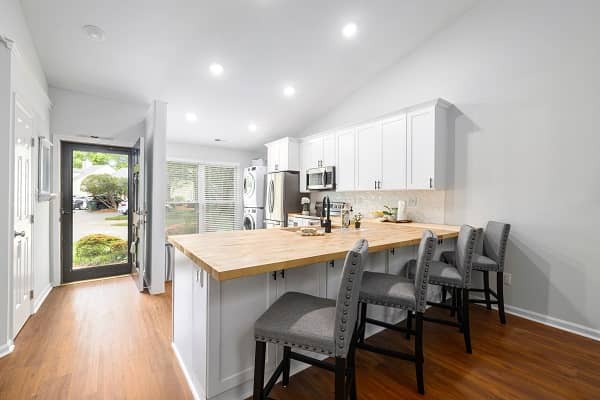
An FHA 203(k) loan allows eligible buyers and homeowners to finance both the home and eligible repairs or renovations with one FHA-insured mortgage.
This can be useful for buyers who want to purchase a home that needs work but still want the more flexible approval guidelines of FHA financing.
Conventional Renovation Loan
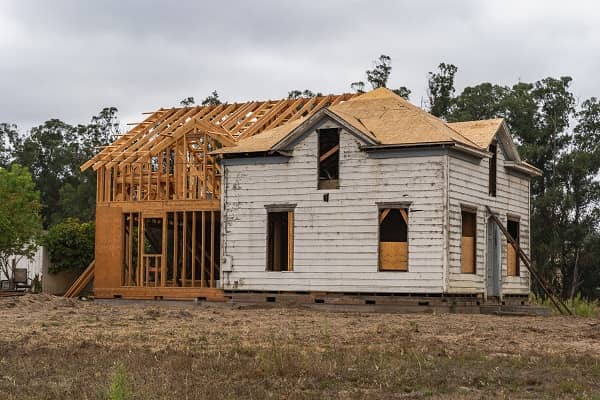
Conventional renovation loans, such as renovation programs connected to Fannie Mae or Freddie Mac guidelines, may allow qualified borrowers to finance eligible renovations as part of a purchase or refinance.
These options may be a strong fit for borrowers with stronger credit, more conventional-style qualifications, or renovation projects that do not require FHA financing.
Construction-to-Permanent Loan
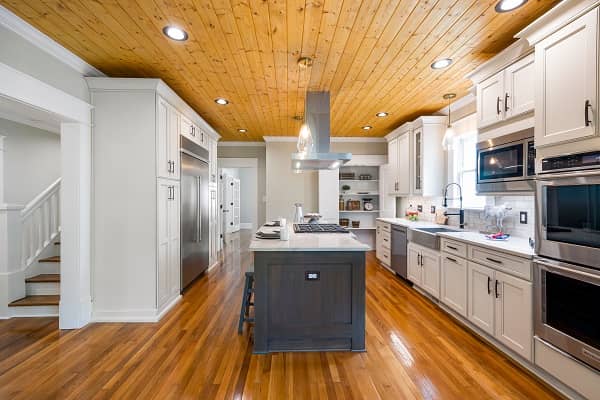
A construction-to-permanent loan may help finance the construction of a new home and then convert into a long-term mortgage once the home is complete.
This can simplify the process compared with getting separate construction financing and permanent mortgage financing.
Renovation Refinance
A renovation refinance may allow homeowners to refinance their current mortgage and include eligible home improvement costs in the new loan.
This can be useful if you want to update, repair, or expand your current home but do not want to rely only on cash, credit cards, or personal loans.
Renovation Loan vs HELOC vs Cash Out Refinance
A renovation loan and a cash-out refinance can both help fund improvements, but they work differently.
A renovation loan may be better when the home needs work at the time of purchase.
A cash-out refinance may be better when you already own the home and want flexible cash from equity.
– Usually used after you already own the home
– Keeps your current first mortgage in place
– Gives flexible access to funds over time
– Often has a variable rate
– May be better for phased or uncertain projects
– Requires enough current equity
Renovation Loan
– May be used to buy and renovate a home
– Can finance improvements before you have built equity in the property
– May use the home’s future as-completed value
– Often requires contractor bids and project review
– Funds may be released through draws
– Useful for fixer-upper purchases
– Generally used by current homeowners with existing equity
– Replaces the current mortgage with a larger new loan
– Provides cash as a lump sum after closing
– Usually does not require the same renovation project oversight
– May be simpler if you already own the home and have enough equity
– May not be ideal if your current mortgage rate is much lower
A HELOC is usually better when you want flexibility. A home equity loan may be better when you know exactly how much you need and want a more predictable payment.
Construction and Renovation Loan Requirements
Requirements vary by loan type, lender, property, borrower profile, and project scope. In general, lenders review both the borrower and the project.
Lenders review your credit, income, employment, debts, assets, and ability to repay.
The specific requirements depend on whether the loan is FHA, conventional, VA, jumbo, construction, or another financing type.
The property must meet the requirements of the loan program.
Some properties may need repairs before they qualify for standard financing. Renovation loans can sometimes help solve this by financing required repairs as part of the mortgage.
The lender needs to understand what work will be completed, how much it will cost, who will do the work, and how long it will take.
Larger projects may require more detailed review.
Many renovation and construction loans require licensed, approved, or reviewed contractors.
The lender may need contractor bids, proof of licensing, insurance, experience, and project details before approving the loan.
Renovation and construction loans may use an “as-completed” value, which estimates what the property should be worth after the approved work is finished.
This helps determine whether the future value supports the loan amount.
For larger projects, funds may not be released all at once.
Instead, money may be held in an escrow account and released in draws as work is completed and inspected.
Some projects require permits, plans, city or county approval, HOA approval, or other local documentation.
This is especially important for additions, ADUs, structural changes, major electrical work, plumbing changes, and custom builds.
Who Should Consider a Construction or Renovation Loan?
A construction or renovation loan may make sense if:
- You want to buy a fixer-upper
- You are struggling to find move-in-ready homes
- You want to renovate instead of moving
- You need to make major repairs
- You want to build a custom home
- You want to include repair costs in the mortgage
- You have a clear project budget
- You are working with a qualified contractor
- You want to compare renovation financing against cash-out or HELOC options
It may not make sense if:
- The project is too small for the program
- You need funds immediately with no project oversight
- You do not have contractor bids
- The property or project does not meet program guidelines
- You are not comfortable with a more detailed loan process
- A HELOC, home equity loan, or cash-out refinance is simpler and more cost-effective
The best option depends on whether you are buying, refinancing, renovating, or building.
Construction and Renovation Loans for Home Buyers
For home buyers, renovation financing can open up more inventory.
Instead of only looking at homes that are fully updated, buyers may be able to consider properties that need cosmetic improvements, repairs, or modernization.
This can be especially useful in competitive markets where move-in-ready homes attract more competition.
Construction and Renovation Loans for Current Homeowners
For current homeowners, renovation financing can help fund improvements without selling the home.
This may be useful if you like your location but the home no longer fits your needs.
Homeowners may use renovation financing to:
- Remodel outdated spaces
- Add bedrooms or bathrooms
- Build an ADU
- Replace major systems
- Repair deferred maintenance
- Improve accessibility
- Prepare for aging in place
- Improve energy efficiency
- Make the home more functional for family needs
Benefits of Construction and Renovation Loans
Construction and renovation loans may offer several benefits:
- Finance improvements instead of paying fully out of pocket
- Buy a home that needs repairs or updates
- Turn a fixer-upper into a livable home
- Potentially base financing on future improved value
- Combine purchase and renovation costs into one loan strategy
- Use financing for major repairs or upgrades
- Expand your search beyond move-in-ready homes
- Improve comfort, function, safety, or property value
- Customize a home to fit your needs
- Explore alternatives to credit cards or personal loans
The biggest benefit is flexibility. These loans can help buyers and homeowners solve property condition problems that standard mortgage options may not handle well.
Drawbacks of Construction and Renovation Loans
Construction and renovation loans can be powerful, but they are more complex than standard mortgages.
Potential drawbacks include:
- More documentation
- More moving parts
- Contractor bids may be required
- Appraisal may depend on future value
- Draw schedules and inspections may apply
- Renovation funds may be held in escrow
- Timelines can be longer than standard purchase loans
- Not every lender offers these programs
- Not every contractor is willing to work with renovation loan requirements
- Project delays can create stress
- Borrowers need a clear budget and realistic plan
These loans can work very well, but they require planning, communication, and the right lender-project fit.


Frequently Asked Questions
Yes. Renovation loans may allow qualified buyers to finance the purchase of a home and eligible repair costs through one loan strategy.
An FHA 203(k) loan is an FHA-insured renovation mortgage that can help eligible buyers or homeowners finance a home purchase or refinance plus eligible rehabilitation costs.
Yes. Renovation loans may be used for eligible home improvements, repairs, upgrades, and remodeling projects, depending on the loan program and project details.
Yes. Construction loans are commonly used to finance new home builds, custom homes, or major building projects.
A renovation loan may be better if you are buying a home and need to finance repairs into the purchase. A HELOC may be better if you already own the home, have enough equity, and want flexible access to funds.
Many renovation loans require contractor bids, a clear scope of work, and project review. Larger projects may also require inspections, draw schedules, permits, and additional documentation.
Some renovation or construction financing options may be used for ADUs, depending on the loan program, property, local rules, permits, appraisal support, and lender requirements.
Get a Construction or Renovation Loan Review
Construction and renovation financing is highly scenario-specific. The right answer depends on the property, project, budget, timeline, loan type, and borrower profile.
A project review can help you understand which option fits best before you commit to a property or contractor.
We can help review:
- Purchase or refinance goals
- Current property value
- Estimated after-improved value
- Contractor bids
- Renovation budget
- Repair scope
- Construction plans
- Permit needs
- Down payment options
- Monthly payment estimate
- FHA 203(k) options
- Conventional renovation options
- Construction-to-permanent options
- HELOC and cash-out alternatives
Ready to explore financing for a fixer-upper, renovation, or new build? Start with a construction and renovation loan review.